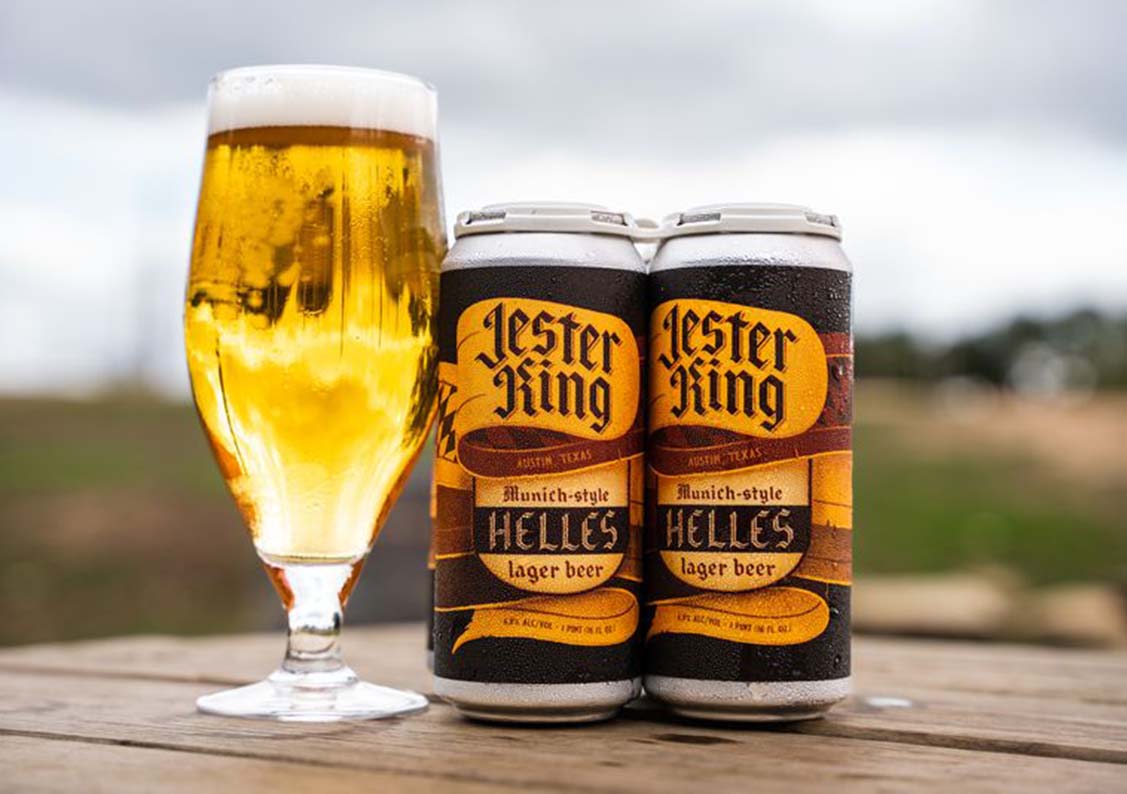
Munich is not only a cultural and historical hub of Germany, but also a paradise for food lovers. The city is renowned for its unique Bavarian cuisine, with beer, white sausage, and pretzels being the most iconic dishes. Besides these, Munich offers a wide range of tantalizing traditional dishes, each carrying the city’s rich history, culture, and social life. If you travel to Munich, the delicious food here will certainly be one of your most memorable experiences.
1. Munich’s Beer Culture: The History and Significance of a Glass of Beer
The Cultural Significance of Beer in Munich
Munich’s beer culture dates back hundreds of years, with brewing first appearing in the 12th century. When I walk through the beer gardens, watching people sip their beers, I can almost feel the city’s long history. Every year, the Munich Oktoberfest attracts thousands of visitors and locals alike, all coming together to celebrate. The atmosphere feels almost like stepping back in time, joining in the festive spirit that has been passed down through the generations.
For me, beer is more than just a drink—it’s a way of life. In Munich, beer is a staple at nearly every meal, whether at a beer garden or a bar. I vividly recall a time I was with friends at a beer garden in Englischer Garten, sitting at a long wooden table, enjoying beer and food, feeling as though time slowed down in the best possible way.
Types and Tastes of Munich’s Beer
- Helles (Pale Lager): The crisp, refreshing taste of Helles always reminds me of sunny days in Munich. One afternoon, sipping Helles beer with friends at a beer garden, I couldn’t help but marvel at how well it pairs with Weißwurst and pretzels—an ideal match.
- Weißbier (Wheat Beer): One of my personal favorites. Its citrus aroma and rich foam provide a light, refreshing experience. Especially during the summer, having a Weißbier and sitting on the grass in the park is one of life’s simple pleasures.
- Dunkel (Dark Beer): The intense roasted malt aroma and rich flavor of Dunkel always remind me of the deep-rooted history of Munich. I love how it pairs with hearty dishes, especially grilled meats.
- Bockbier (Strong Beer): I remember trying Bockbier during a cold winter day at Hofbräuhaus. The high alcohol content and strong taste blended beautifully with the warm, bustling atmosphere of the beer hall. It felt like the perfect drink for the season.
- Radler: This beer-lemonade mix is perfect for summer. I had my first Radler in a small Munich bar, and its refreshing taste was the ideal drink to cool down on a hot summer’s day.
Recommended Beer Gardens and Bars
- Hofbräuhaus: One of the most famous beer halls in the world. The moment I walked into Hofbräuhaus, I felt immediately connected to the centuries of history here. Drinking beer, sharing food with friends, and soaking in the atmosphere felt like stepping into a piece of Munich’s rich past.
- Augustiner Bräu: Munich’s oldest brewery, established in 1328. I had a glass of their beer here, and its smooth, rich taste stayed with me long after I finished it. Every sip made me feel like I was drinking history.
- Beer Gardens in Englischer Garten: This park in the center of Munich is a true gem, with several beer gardens to choose from. Whether it’s winter’s chill or the heat of summer, the beer gardens in Englischer Garten always provide a perfect spot for enjoying beer and great conversation with friends.
2. Weißwurst (White Sausage): A Traditional Bavarian Delight
History and Culture of Weißwurst
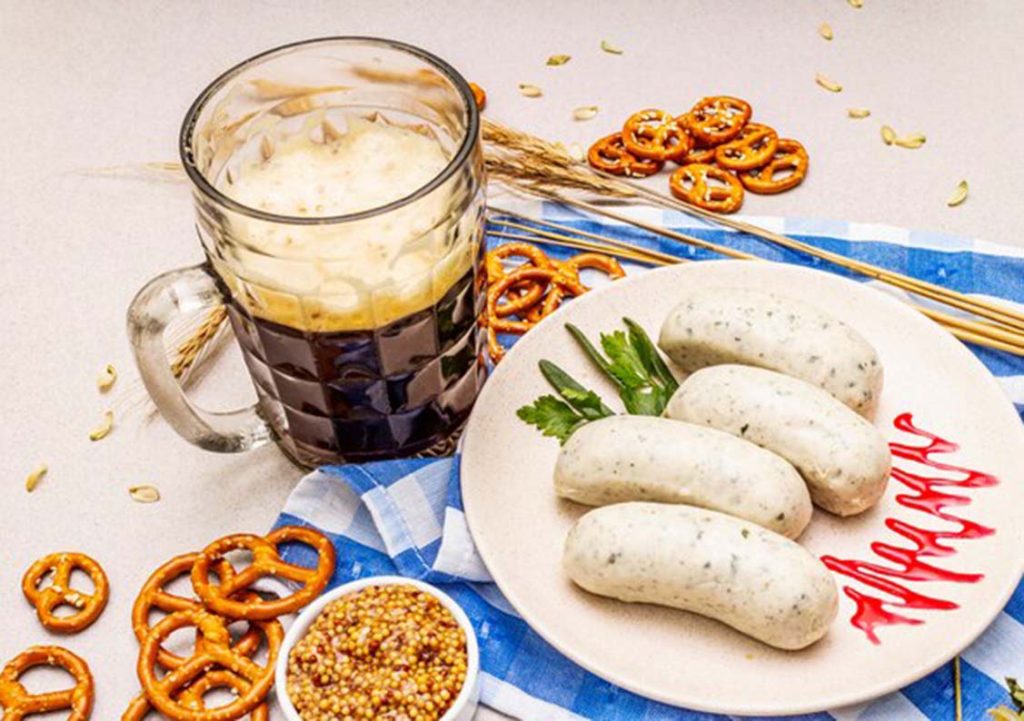
Weißwurst (white sausage) is almost synonymous with Munich. Made from pork, beef, parsley, lemon zest, and various spices, its white color and tender texture make it a standout in Bavarian cuisine. It was invented by a Munich chef in the 19th century and has since become a classic on Bavarian tables. Locals have a tradition: Weißwurst must be eaten before noon because it contains no preservatives and is freshly made that very day.
How to Enjoy Weißwurst
- With Pretzel: The pairing of Weißwurst and Pretzel is a classic. I’ll never forget the first time I had it at Viktualienmarkt. The crunchy, soft pretzel complemented the tender Weißwurst in a way that was just perfect.
- With Sweet Mustard: I was pleasantly surprised by the sweet mustard pairing with Weißwurst. The slightly sweet, tangy mustard adds an extra layer of flavor to the sausage that makes it unforgettable.
Recommended Tasting Locations
- Viktualienmarkt: This traditional market is the best place to try freshly made Weißwurst. The stalls here give you a real taste of Munich’s culinary heritage.
- Gasthof Giesinger Bahnhof: A local favorite for authentic, hand-made Weißwurst. Every bite tastes like it was made with care and tradition.
3. Pretzel: The Classic Bavarian Snack
The Origins and Cultural Significance of Pretzel
The Pretzel, a classic Bavarian snack, holds a special place in my heart. Every time I take a bite, I feel a deep connection with the city of Munich. Its crunchy, golden exterior and soft, doughy interior always tempt me to have just one more piece. What makes it even more meaningful is that it symbolizes the unity and harmony of the Bavarian people. It’s not just a snack; it’s a piece of the city’s culture, and I can’t help but feel part of it every time I enjoy one.
How to Enjoy Pretzel
- Classic Pairing: There’s nothing like pairing a fresh, warm Pretzel with a cold beer. I remember sitting in a cozy Munich bar, a crisp Helles beer in hand, taking a bite of that perfectly salted Pretzel. The salty dough contrasts beautifully with the beer’s bitterness, creating a match made in heaven. Each time I visit Munich, this is always my go-to combination—it’s comforting and familiar.
- Different Flavors: Beyond the classic salted Pretzel, Munich’s Pretzel shops offer inventive variations that never fail to surprise me. I had a butter Pretzel once that was so soft and rich, it almost melted in my mouth. Another time, I tried a cheese Pretzel—the combination of gooey cheese and crunchy dough was heavenly. Each flavor adds a new layer to my Pretzel experience, making it even more exciting.
Recommended Tasting Locations
- Brezen Kolb: This is one of my favorite Pretzel spots in Munich. The moment I step into the small shop, the warm, irresistible smell of freshly baked Pretzels hits me. Every time I’m there, I can’t help but order a second (or third) one. Whether it’s classic, butter, or cheese, I always leave with a happy stomach and a contented heart.
- Hofbräuhaus: As one of the most famous beer halls in Munich, Hofbräuhaus is a must-visit for anyone wanting to experience authentic Bavarian culture. The Pretzel here is giant, salty, and perfectly paired with their famous beer. Sitting at a communal table, sharing Pretzels and laughter with strangers, I feel like I’m part of something timeless. It’s a memory that keeps me coming back every time.
For me, Pretzel is more than just a snack; it’s a key part of the Munich experience. It’s woven into the very fabric of the city, a symbol of its culture, its people, and its warmth.
4. Other Must-Try Munich Dishes
In addition to beer, white sausages, and pretzels, there are many more delicious dishes on Munich’s table that are an integral part of Bavaria’s rich culinary culture. Here are some must-try traditional Munich delicacies that will give you a deeper appreciation of the city’s gastronomic charm.
Roast Pork Knuckle (Schweinshaxe)
Schweinshaxe (roast pork knuckle) is one of Munich’s most iconic traditional dishes. Every time I savor this dish, I feel a deep connection to the traditions of the city. The crispy golden skin and tender, juicy meat, often paired with sauerkraut and potato dumplings, provide a satisfying and hearty experience. Especially in winter, a steaming plate of roast pork knuckle brings warmth and comfort.
Cultural Background:
The roast pork knuckle symbolizes the bold and rustic nature of Bavaria. The tradition of eating this meat dates back to the Middle Ages and has evolved into a social ritual. Every time I sit down with friends at a beer hall, sharing a roast pork knuckle, it feels like being immersed in the warmth of Bavarian hospitality.
Recommended Places to Try:
- Augustiner Bräu: I had the roast pork knuckle here, and it was absolutely delicious. The golden, crispy skin and tender meat, paired with a classic Munich beer, made for an unforgettable experience.
- Hofbräuhaus: This traditional beer hall is also a great spot for enjoying roast pork knuckle. The combination of delicious beer and the hearty pork knuckle makes it a place I keep returning to.
Käsespätzle (Cheese Spätzle)
Käsespätzle is a traditional dish made with Bavarian noodles (Spätzle) and cheese. The first time I tried this dish, I was immediately captivated by the rich cheese flavor and the soft, comforting texture of the noodles. The crispy onions on top added a wonderful contrast. Every time I have a bowl of Käsespätzle on a cold winter day, it brings me a sense of warmth and contentment.
Cultural Background:
This dish originated in the Bavarian mountains and, over the years, has become a beloved winter classic in the region. Whenever I visit small local restaurants, I can see people enjoying Käsespätzle around the table, bringing a sense of coziness and shared joy.
Recommended Places to Try:
- Gasthof Neuwirt: This restaurant offers a delicious version of Käsespätzle with a rich cheese flavor, complemented by crispy roasted onions. It’s a dish that lingers in my memory.
- SchwabenQuellen: Their cheese spätzle is also a fantastic dish, with a deep, rich flavor that perfectly represents the rural charm of Bavaria.
Bavarian Braised Beef (Rinderbraten)
Rinderbraten is a classic Bavarian dish made with high-quality beef that is slow-braised until it becomes tender and juicy. It’s often served with potatoes, carrots, and sauerkraut, and is particularly popular in winter. When I first tasted it, I was struck by the deep flavor and the richness of the dish. It’s truly a comfort food that offers a glimpse into Bavarian home cooking.
Cultural Background:
This dish reflects the Bavarians’ respect for quality ingredients and their mastery of cooking techniques. It’s not just a main course; it symbolizes the simple and hearty lifestyle of Bavarians. Every time I enjoy this dish with family or friends, it feels like a celebration of life.
Recommended Places to Try:
- Der Pschorr: The Rinderbraten here is made with carefully selected meat, and the flavor is rich and the meat wonderfully tender. Pairing it with a glass of beer makes it the perfect combination. I always make sure to visit this place whenever I’m in Munich.
- Gasthof Giesinger Bahnhof: They serve a traditional version of Rinderbraten with a unique flavor. It’s perfect for sharing with loved ones and friends.
5. Munich’s Desserts and Snacks
Munich is not only known for its savory dishes but also its tempting desserts and snacks. From classic apple strudel to various Bavarian-inspired sweets, each dessert reflects the locals’ love and attention to food. Here are the desserts and snacks in Munich that I have personally experienced, offering you a unique way to savor the flavors of Bavaria.
Apfelstrudel (Apple Strudel)
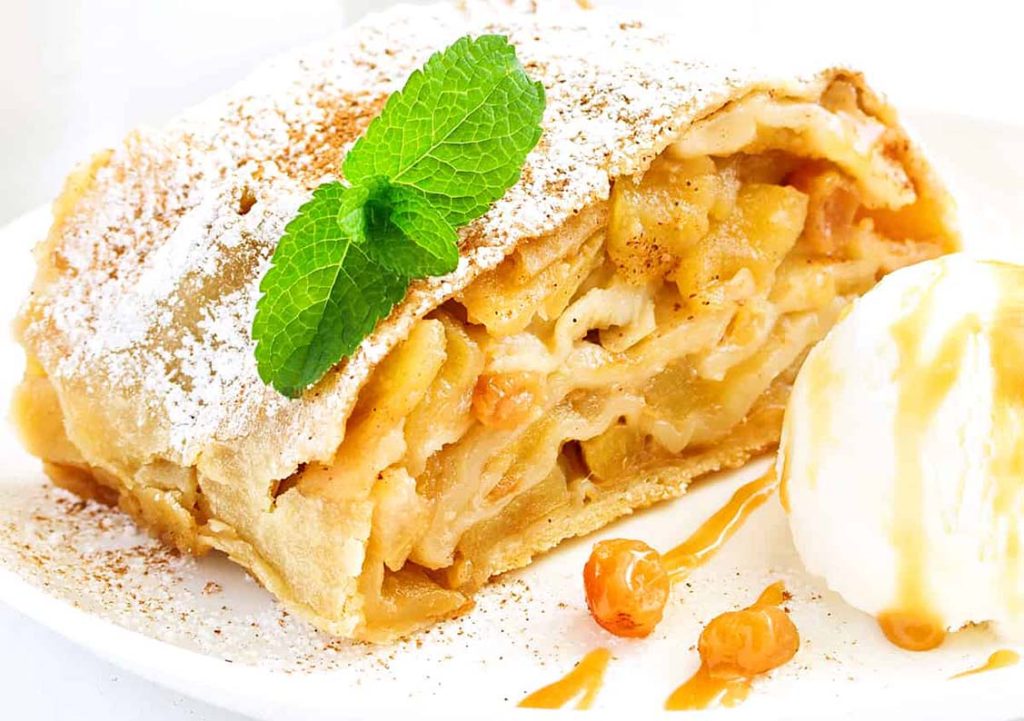
Apfelstrudel is one of those desserts that brings me a sense of comfort every time I indulge in it. I remember the first time I tried it in Munich, sitting at a cozy café near the Viktualienmarkt, the air crisp with the scent of fresh pastries baking in the ovens. The warm, flaky layers of the strudel melted in my mouth as the sweetness of the apples and the delicate spice of cinnamon and nutmeg blended perfectly. Paired with a cup of hot tea, it was the ultimate winter indulgence.
I’ve since returned to the same café many times, and every time I take a bite, I’m reminded of that first taste—a perfect balance of textures and flavors. The golden, crispy exterior gives way to the fragrant, juicy apple filling, and the raisins add a pleasant chewiness. I love how simple yet satisfying it is. Apfelstrudel isn’t just a dessert; it’s an experience that captures the warmth and coziness of Bavarian culture.
Whether you’re enjoying it as a quick afternoon snack or a celebratory treat, this dessert is definitely one of Munich’s gems. If you’re ever there, don’t miss the chance to savor a fresh slice—trust me, it’s worth it!
Recommended Places to Try Apfelstrudel
- Café Frischhut: Famous for its Apfelstrudel, crispy on the outside and soft on the inside, often enjoyed with a cup of hot tea.
- SchwabenQuellen: Known for its rich Apfelstrudel with fresh ingredients, loved by both locals and tourists.
Kaiserschmarrn
Kaiserschmarrn quickly became one of my favorite desserts during my time in Munich. I remember the first time I tried it at a cozy local restaurant in the heart of the city. The waiter brought out a heaping plate of soft, golden-brown pancake pieces, each one perfectly caramelized on the edges. As I took my first bite, the light, fluffy texture melted in my mouth, and the sweetness of the pancake was just right—not overpowering, but enough to satisfy my sweet tooth.
What really elevated the experience was the generous dusting of powdered sugar, which added a delightful sweetness, and the tangy fruit jam—raspberry, if I recall—that balanced the flavor beautifully. It was the perfect contrast of warm, soft pancakes with the refreshing tartness of the jam. I couldn’t resist pairing it with a warm cup of coffee, and the combination turned into one of those unforgettable food memories.
Ever since that day, I’ve made it a point to order Kaiserschmarrn wherever I go, and each time, it brings back those comforting feelings of sitting in a rustic Bavarian restaurant, enjoying the simple yet satisfying pleasure of this beloved dessert. If you’re ever in Munich, it’s a must-try!
Cultural Background:
Named after Emperor Franz Joseph I of the Austro-Hungarian Empire, who was said to have loved this dish, it is a beloved winter dessert in Bavaria.
Recommended Places to Try Kaiserschmarrn
- Giesinger Bräu: Offers expertly made Kaiserschmarrn, fluffy and rich, served with sour cherry or apple jam for an even better flavor.
- Hofbräuhaus: Serves authentic Kaiserschmarrn, usually paired with sweet fruit jams, not overly sweet but delightful.
Obatzda (Bavarian Cheese Spread)
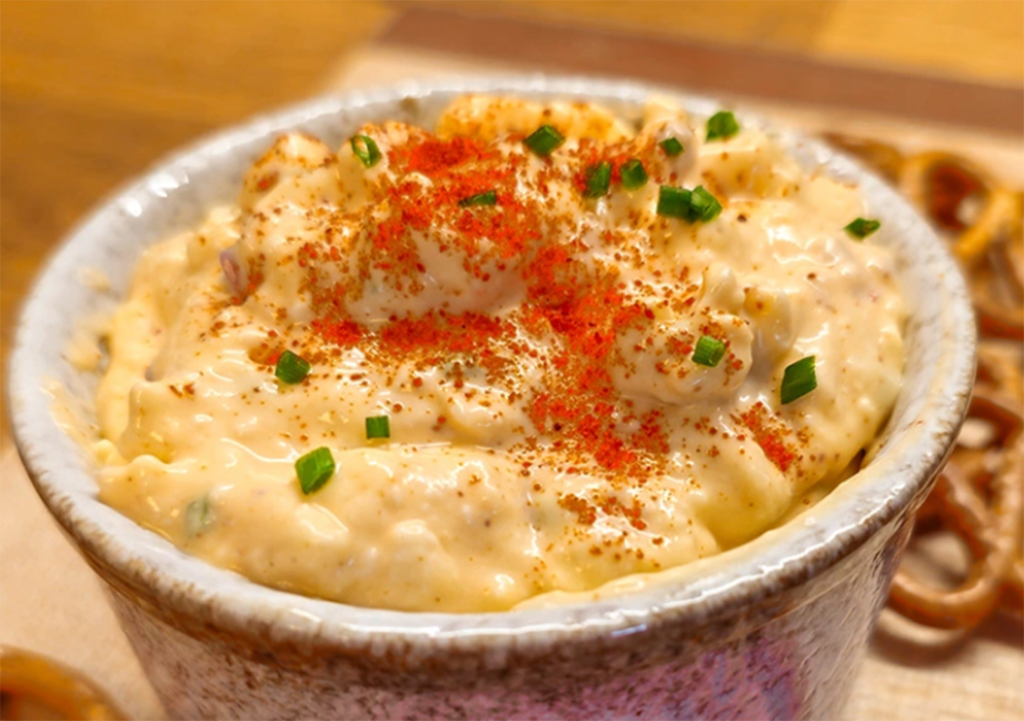
Obatzda is a classic Bavarian cheese spread made from cream cheese, butter, onions, and spices, typically served with pretzels. Its rich flavor and smooth texture make it an essential snack in Munich’s beer gardens.
Cultural Background:
Obatzda originated from Bavarian farmers using leftover cheese to create a family food, and it remains a key dish during family gatherings and festivals.
Recommended Places to Try Obatzda
- Augustiner Bräu: Known for its delicious Obatzda paired with fresh pretzels, a staple snack in beer gardens.
- Hofbräuhaus: Offers authentic Obatzda, perfect with beer and pretzels.
Munich’s Culinary and Cultural Journey
Munich is not only a city full of history and culture but also a paradise for food lovers. From beer and white sausage to pretzels, roast pork knuckles, cheese noodles, and desserts, each dish represents the city’s history and traditions. In Munich, food is not just for filling the stomach; it is an expression of culture and a way of life. If you’re a food lover, Munich’s table will surely impress you. Come and experience the authentic Bavarian flavors, and you’ll be sure to leave with unforgettable memories.